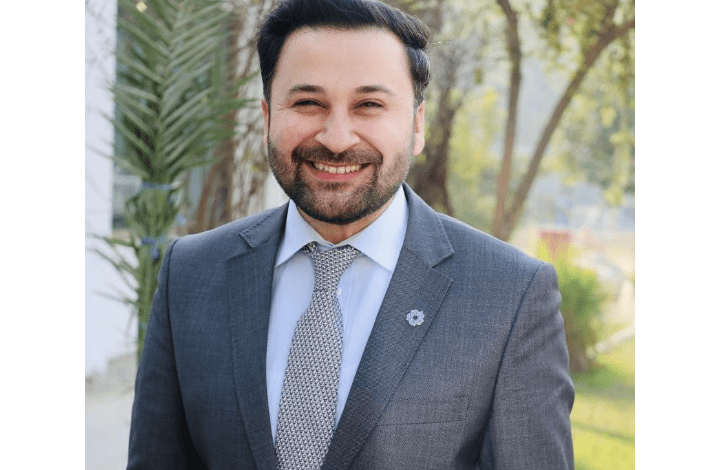
From Ceasefire to Stability: The Imperative of Lasting Peace Between the US and Iran By Qaiser Nawab, Chairman BRISD
A fragile memorandum of understanding (MOU) between the United States and Iran, signed in mid-June 2026, has halted direct military hostilities and opened pathways for renewed dialogue. Mediated with important contributions from regional players, including Pakistan, the agreement declares an end to active combat, commits to reopening the Strait of Hormuz for global energy flows, and sets a 60-day window for negotiations on Iran’s nuclear programme and broader issues. Yet, as recent exchanges of strikes and accusations demonstrate, the conflict’s embers continue to smoulder. True resolution remains elusive, underscoring a simple truth: sustainable peace is not merely the absence of war but the foundation for shared development and regional prosperity.The MOU represents a pragmatic step. It includes commitments to cease military operations, maintain the current status of Iran’s nuclear activities during talks, and provide sanctions relief tied to compliance, alongside pledges for economic reconstruction support. Both sides have reaffirmed that Iran will not pursue nuclear weapons. However, implementation has faced immediate tests. Skirmishes near the Strait of Hormuz, differing interpretations of commitments, and lingering regional tensions — particularly involving Lebanon and non-state actors — highlight how quickly fragile understandings can unravel. Technical talks in venues like Doha proceed amid mixed signals, reminding observers that ceasefires test political will more than they resolve underlying grievances.The High Cost of Prolonged TensionDecades of confrontation have exacted a heavy toll. For Iran, sanctions, conflict damage, and isolation have strained its economy, affected ordinary citizens’ livelihoods, and complicated access to technology and investment. For the broader region and global energy markets, disruptions in the Strait of Hormuz — through which a significant portion of the world’s oil passes — translate into higher prices, supply uncertainties, and inflationary pressures felt from Karachi to Europe and beyond.Pakistan, sharing deep cultural and historical ties with Iran and maintaining constructive relations with the United States, understands these stakes intimately. As a neighbour, we have witnessed how instability spills across borders — through refugee flows, security challenges, and missed economic opportunities. Balochistan’s own development potential, with its strategic location along energy corridors and vast resources, remains linked to wider regional calm. Proxy confrontations and great-power rivalries only compound local difficulties.Continued low-level conflict or the threat of renewed escalation serves no one’s long-term interests. Military actions, however targeted, risk civilian casualties, environmental damage, and cycles of retaliation that divert resources from pressing needs like education, healthcare, and infrastructure. In an interconnected world, the ripple effects undermine collective progress against poverty, climate change, and extremism.Peace as a Catalyst for DevelopmentAdvocating peace is not naivety; it is realism grounded in Pakistan’s own experience. Nations that have chosen dialogue over confrontation have often unlocked pathways to growth. Imagine a Middle East where capital flows into reconstruction rather than armaments. Iran possesses a young, educated population, rich energy resources, and a strategic position that could anchor trade routes linking Central Asia, the Gulf, and South Asia. Normalised relations could facilitate joint projects in energy, connectivity, and technology — benefiting not only Iranians but also neighbours through increased trade, stability, and investment.The United States, as a global leader, has repeatedly shown capacity for pragmatic diplomacy. A durable agreement addressing legitimate security concerns — nuclear non-proliferation, regional de-escalation, and mutual respect for sovereignty — would enhance American interests in stable energy markets and reduced military commitments abroad. Vague or one-sided arrangements risk breeding resentment and future breakdowns. A comprehensive deal, verified through international mechanisms like the IAEA, offers the best path to verifiable assurances and economic reintegration.For Pakistan and other regional states, peace between Washington and Tehran would create breathing space for initiatives like the China-Pakistan Economic Corridor (CPEC) extensions, Iran-Pakistan gas pipeline discussions, and broader Eurasian connectivity. Development requires predictability. Investors shy away from conflict zones; they seek rule-based environments where contracts are honoured, and borders are secure. Lasting US-Iran peace could transform the region from a theatre of rivalry into a hub of opportunity.Critics on all sides will find reasons for scepticism. Hardliners in Tehran may view concessions as weakness; voices in Washington may demand maximalist outcomes. Yet history demonstrates that perfect solutions are rare in diplomacy. The 2015 JCPOA, despite flaws, provided a framework that constrained Iran’s programme for years until its collapse. Rebuilding trust will demand patience, verification, and reciprocal steps. External mediators, including European nations, Gulf states, and Pakistan, can play constructive roles by facilitating dialogue without imposing agendas.A Call for Constructive EngagementThe current moment, however imperfect, offers a window. Both the US and Iran have signalled interest in avoiding all-out war again. Extending the ceasefire, clarifying nuclear arrangements, addressing ballistic missile and proxy issues transparently, and linking sanctions relief to verifiable milestones could build momentum. Humanitarian and economic gestures — facilitating trade, medical exchanges, and people-to-people contacts — would humanise the process and create constituencies for peace.Pakistan’s foreign policy has long emphasised peaceful resolution of disputes, non-interference, and economic diplomacy. We urge all parties to prioritise de-escalation and dialogue. The people of Iran deserve relief from isolation and the dividends of integration. The American public benefits from reduced overseas entanglements. The global community gains from secure energy supplies and lower tensions.Ultimately, development and security are intertwined. Guns and sanctions may provide short-term leverage, but only inclusive growth, education, and mutual economic stakes deliver enduring stability. A peaceful US-Iran relationship would not erase differences overnight, but it could channel competition into constructive avenues — trade, innovation, and cultural exchange — rather than destruction.As talks continue amid a fragile calm, the region watches closely. Leaders on both sides face a choice: perpetuate cycles of mistrust at great cost, or invest in the harder, more rewarding work of building peace. For the sake of future generations across West Asia and beyond, the latter path must prevail. Balochistan and Pakistan stand ready to support any genuine effort toward that end. Stability at home begins with stability in the neighbourhood.The writer is the Chairman of the Belt and Road Initiative for Sustainable Development BRISD and can be reached at qaisernawab098@gmail.com